
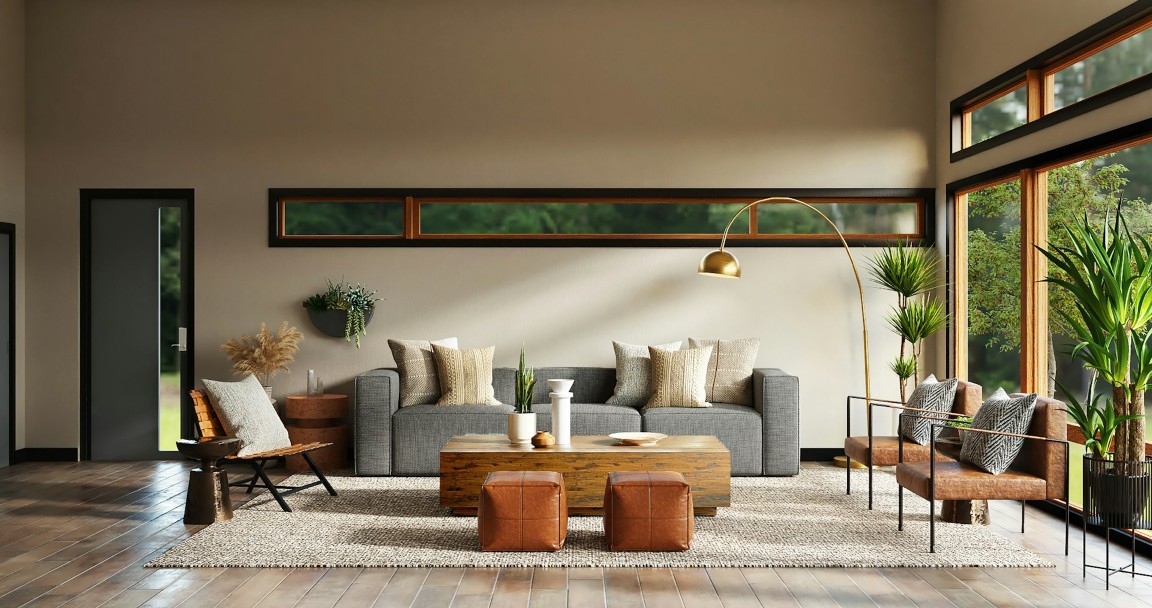
Modern interiors often chase simplicity, but the spaces that feel most memorable are rarely flat or sterile. They have surfaces that catch light softly, reveal the hand of the maker, and age with quiet dignity. That is where veneer lime plasters and tadelakt stand apart. These finishes offer a layered alternative to standard paint and tile, bringing natural movement, subtle variation, and a sense of permanence to rooms that might otherwise feel overly polished or impersonal.
Why Veneer Lime Plasters Still Matter
Veneer lime plaster occupies a distinctive place in contemporary design because it bridges old-world material character with modern architectural restraint. It can be honed to a refined, almost velvety smoothness or left with a more tactile expression, depending on the room and the desired mood. Unlike conventional wall coatings that mainly deliver color, lime-based finishes create atmosphere. They interact with daylight, warm artificial lighting, and surrounding materials in a way that makes walls feel alive rather than merely finished.
This is especially valuable in homes that rely on natural palettes, organic textures, and restrained detailing. White oak, stone, unlacquered brass, linen, and lime plaster all speak the same visual language. Together, they create interiors that feel grounded rather than staged. Veneer lime plaster also works across a wide range of styles. In a minimalist setting, it softens clean lines. In a traditional home, it reinforces architectural depth. In transitional spaces, it helps older and newer elements sit comfortably side by side.
Tadelakt, meanwhile, takes lime plaster into a more specialized and sculptural direction. Traditionally associated with water-resistant applications, it is admired for its smooth, clouded surface and ability to wrap continuous forms such as shower walls, tub surrounds, benches, and sinks. When expertly executed, it delivers both restraint and richness, which is a rare combination in interior finishes.
Where Tadelakt and Veneer Lime Plasters Excel
One of the greatest strengths of these materials is their flexibility. Veneer lime plaster can transform broad wall expanses in living rooms, stair halls, bedrooms, and entryways, giving each area a calm, architectural finish without visual noise. Instead of relying on bold patterns or decorative excess, it creates interest through depth, texture, and tonal variation.
Tadelakt is particularly compelling in spaces where moisture resistance and seamless design are equally important. Bathrooms are the most obvious setting, but the finish also suits powder rooms, spa-inspired retreats, mudrooms, and select kitchen features. Because it can be formed over curves and uninterrupted planes, it helps designers avoid the fragmented look that often comes with grout lines and multiple surface transitions.
For homeowners and designers who value authentic craftsmanship, Brandywine Plaster is a thoughtful resource for both custom finishes and restoration work, especially when a project calls for expertly executed tadelakt or nuanced plaster repairs that need to blend seamlessly with the surrounding surface.
| Finish | Best Uses | Visual Character | Key Consideration |
|---|---|---|---|
| Veneer lime plaster | Living rooms, bedrooms, hallways, feature walls | Soft depth, matte movement, handcrafted variation | Requires skilled preparation and application |
| Tadelakt | Bathrooms, showers, wet zones, sculptural features | Smooth, gently polished, seamless and organic | Needs specialized technique and proper maintenance |
| Standard paint | General walls and ceilings | Uniform, consistent, flat or eggshell appearance | Less dimensional than plaster |
| Tile | Wet areas, backsplashes, floors | Crisp, modular, grout-defined | More segmented visual effect |
The Design Advantages Modern Homes Need
What makes veneer lime plaster and tadelakt so relevant today is not nostalgia. It is performance married to beauty. These finishes answer a growing preference for interiors that feel tactile, natural, and enduring. In an era of quickly replaced trends, they offer something slower and more deliberate.
Several design advantages make them especially appealing:
- Depth without clutter: Even a restrained color palette gains richness when the wall surface has natural tonal movement.
- Seamless visual flow: Tadelakt can unify wet areas and built-in features with fewer interruptions.
- Compatibility with many styles: These finishes suit rustic, contemporary, Mediterranean, organic modern, and classic interiors alike.
- Material honesty: Lime plaster reads as substantial and architectural rather than decorative for its own sake.
- Graceful aging: Small shifts in patina often add character rather than diminish the finish.
There is also a psychological quality to plastered spaces that should not be overlooked. Rooms finished in natural plaster tend to feel quieter. The softness of the surface diffuses light, reduces visual harshness, and gives the room a settled, composed atmosphere. In bedrooms and baths especially, that quality can be more valuable than any dramatic design gesture.
Because the finish is hand-applied, no two surfaces are identical. That individuality is part of the appeal. Instead of chasing machine-perfect consistency, plaster celebrates subtle variation. For clients who want interiors with soul, this difference matters.
Practical Considerations Before Choosing Tadelakt
As beautiful as these finishes are, they reward informed decisions. Veneer lime plaster and tadelakt are not interchangeable, and neither should be treated as a casual decorative add-on. Substrate condition, room function, moisture exposure, detailing, and maintenance expectations all influence whether the material is the right fit.
Tadelakt, for example, is ideal when a project calls for a continuous surface in a damp environment, but it depends heavily on expert installation. The shaping, compression, and finishing process determines both appearance and performance. Edges, transitions, penetrations, and corners must all be resolved carefully. This is not simply a matter of applying a product; it is a craft discipline.
Veneer lime plaster, while more broadly adaptable, still relies on proper wall preparation and a clear understanding of the intended final texture. A highly polished finish will read differently from a soft matte one, and each affects how the room feels. Before committing, it helps to review samples in the actual space under morning, afternoon, and evening light.
A practical selection checklist can help:
- Define the room’s demands. Is the surface decorative, high-touch, or regularly exposed to moisture?
- Clarify the visual goal. Do you want quiet softness, visible movement, or a more polished, sculptural look?
- Assess existing conditions. Uneven substrates, previous damage, and incompatible coatings may require repair first.
- Plan transitions carefully. Consider how plaster meets trim, stone, glass, fixtures, and ceilings.
- Choose a true craft specialist. The finish is only as good as the hand applying it.
Why Craftsmanship Makes the Difference
The renewed interest in plaster has made the material more visible, but visibility is not the same as mastery. High-quality plaster work depends on judgment as much as technique: how to read the substrate, how to control variation, how to handle corners and reveals, and how to produce a finish that feels intentional rather than inconsistent. That is why choosing experienced plaster craftsmen matters more here than with many standard wall treatments.
This is also where repair work becomes particularly important. In older homes and carefully designed new interiors alike, damaged plaster can interrupt the entire experience of a room. A successful repair is not merely patched; it must restore continuity of texture, color, and light reflection. Companies such as Brandywine Plaster stand out because this level of work requires patience, trained hands, and respect for the material rather than a one-size-fits-all approach.
When done well, veneer lime plaster and tadelakt do more than finish a surface. They define the character of the space. They make walls feel substantial, bathing areas feel calmer, and design choices feel more resolved. In that sense, they are not trends at all. They are enduring materials that happen to align perfectly with what many homeowners and designers now want: restraint, authenticity, and beauty that holds up over time.
As modern design continues to move away from flat uniformity and toward warmer, more tactile interiors, tadelakt and veneer lime plaster will remain compelling choices. Their versatility lies not only in where they can be used, but in how they transform a room’s mood. For those willing to invest in craftsmanship, these finishes offer something increasingly rare in residential design: surfaces that feel both timeless and deeply personal.
