
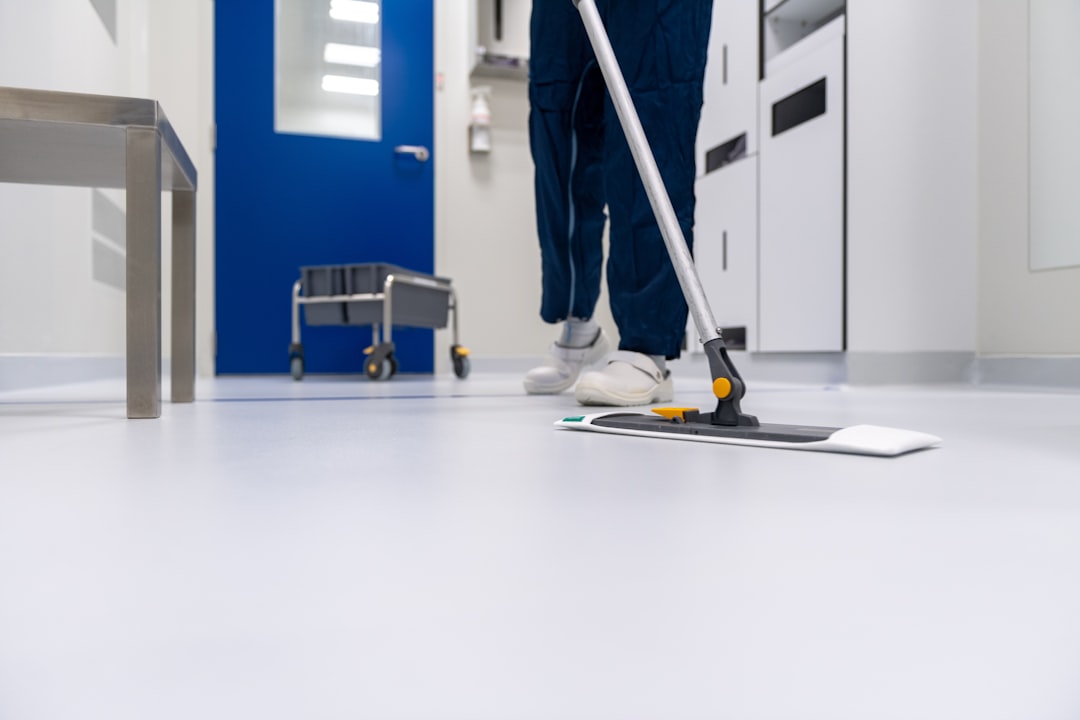
In commercial environments, flooring has to do far more than look clean. It needs to withstand foot traffic, rolling loads, spills, abrasion, cleaning chemicals, and constant daily use without undermining safety or appearance. That is why epoxy flooring solutions remain a practical choice across retail, hospitality, healthcare, warehouses, showrooms, and light industrial properties. When specified correctly, they offer a strong balance of durability, maintenance efficiency, and visual polish that few other systems match.
Why epoxy flooring solutions suit commercial spaces
Commercial floors are exposed to a level of wear that quickly reveals weak materials. Epoxy creates a seamless, hardened surface that bonds to properly prepared concrete, helping protect the substrate while improving overall performance. Unlike porous unfinished concrete, epoxy-coated floors are easier to clean, more resistant to staining, and better suited to spaces where hygiene and presentation matter.
Another advantage is versatility. Epoxy systems can be tailored to meet different operational demands, from sleek high-gloss finishes in retail settings to slip-resistant textures in service corridors and impact-resistant systems in manufacturing environments. Color coding, safety striping, decorative flakes, and matte or gloss finishes can also be incorporated without sacrificing function.
For owners balancing daily operations with long-term upkeep, the real value lies in choosing the right system for the space rather than treating all coatings as interchangeable.
Top types of epoxy flooring solutions for different commercial needs
Not all epoxy systems perform the same way. The right selection depends on traffic, moisture exposure, cleaning protocols, chemical contact, and the image the space needs to project. Property managers comparing epoxy flooring solutions often find that performance requirements matter more than appearance alone.
| System Type | Best For | Strengths | Key Consideration |
|---|---|---|---|
| Self-leveling epoxy | Retail, offices, showrooms, healthcare | Smooth finish, polished appearance, easy cleaning | Requires well-prepared substrate for best results |
| Epoxy mortar | Warehouses, plants, heavy-duty service areas | Very high impact resistance, strong under heavy loads | More utilitarian in appearance |
| Quartz-filled epoxy | Locker rooms, commercial kitchens, clinics | Slip resistance, durability, decorative finish | Texture should match cleaning and safety needs |
| Decorative flake epoxy | Retail, gyms, public-facing interiors | Attractive finish, helps disguise dirt and minor wear | Design should support brand and lighting conditions |
| Anti-static epoxy | Labs, technical facilities, specialized production | Helps control static discharge | Must be specified to suit exact operational requirements |
Self-leveling epoxy is often chosen where a clean, refined appearance matters. It creates a continuous surface that works well in client-facing environments and in facilities that prioritize sanitation.
Epoxy mortar systems are better suited to punishing conditions. They are commonly selected where forklifts, dropped tools, thermal cycling, or constant abrasion would shorten the life of lighter coatings.
Quartz and flake systems bridge the gap between performance and design. They can improve traction, add visual depth, and make large commercial interiors feel more finished and intentional.
How to choose the right system for your environment
The best epoxy floor is not necessarily the toughest or the glossiest. It is the one aligned with actual site conditions. A showroom floor and a back-of-house receiving area may sit in the same building, yet they often need different finishes and build levels.
- Assess traffic and load. Consider foot traffic, carts, pallets, machinery, and impact exposure.
- Review slip resistance needs. Entrances, wash areas, kitchens, and service zones may require added texture.
- Consider chemical and moisture exposure. Spills, washdowns, oils, and cleaning agents affect system choice.
- Match aesthetics to function. Public-facing areas may benefit from decorative finishes, while operational zones may prioritize resilience.
- Plan for maintenance. A floor should support the cleaning routine your staff can realistically maintain.
Substrate condition is equally important. Cracks, moisture issues, contamination, or weak concrete can compromise even a premium coating if surface preparation is rushed. That is why experienced planning and installation matter as much as material selection. For businesses undertaking broader facility upgrades, Design Build Firm Vaughan | Renovate Right Now can help align flooring choices with the demands of the full commercial space, from layout and finishes to long-term durability.
Installation factors that affect long-term performance
Even excellent materials can fail when installation standards are poor. Commercial epoxy should begin with thorough concrete preparation, typically including mechanical grinding or shot blasting to create the right profile for adhesion. Any oil contamination, old coatings, weak patches, or moisture-related issues must be addressed before the system is applied.
Curing time is another practical consideration. Some facilities can accommodate phased work or temporary shutdowns, while others need installation planned around tight operating schedules. This is especially important in restaurants, medical settings, and active retail spaces where downtime carries a real operational cost.
Finish selection also affects usability. High-gloss floors may brighten interiors and support a polished look, but they are not always ideal for every service zone. Matte or textured finishes may be better in spaces where glare reduction or traction is more important than shine.
- Best practice: specify the floor by use area, not by building-wide habit.
- Best practice: verify moisture conditions before coating concrete.
- Best practice: balance design preferences with cleaning realities.
- Best practice: choose installers who understand commercial scheduling and surface preparation.
Maintenance and lifecycle value
One reason epoxy remains popular in commercial settings is that routine maintenance is relatively straightforward. Dust mopping, prompt spill cleanup, and scheduled washing usually go a long way toward preserving the finish. Because the surface is seamless, it does not trap dirt in grout lines or joints the way some alternative materials do.
That said, maintenance should not be treated as an afterthought. Dragging sharp equipment, using overly aggressive cleaning tools, or allowing chemical spills to sit unnecessarily can shorten the life of the coating. Entry mats, traffic management, and periodic inspections all help extend performance.
From a value perspective, epoxy is often most compelling when viewed over time. A well-selected system can reduce maintenance friction, improve safety, protect the slab beneath, and support a more professional appearance across customer-facing and operational areas alike.
Making the right investment in epoxy flooring solutions
The strongest commercial flooring decisions start with a clear understanding of how the space functions day to day. The best epoxy flooring solutions are not one-size-fits-all; they are matched to traffic, safety needs, cleaning demands, and the visual standards of the property. Whether the goal is a polished showroom, a hard-working warehouse floor, or a hygienic back-of-house surface, the right epoxy system can deliver lasting performance with a cleaner, more finished look.
For commercial owners, tenants, and property managers, the real advantage lies in careful specification, proper preparation, and disciplined installation. When those pieces come together, epoxy flooring solutions become more than a surface upgrade; they become a practical investment in durability, presentation, and everyday operational efficiency.
